


Understanding Interpol Yellow Notices A Guide
Understanding Interpol Yellow Notices: A Guide
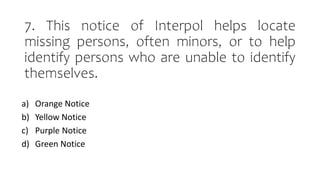
Interpol Yellow Notices are crucial tools in the realm of international law enforcement, designed to assist in locating missing persons, particularly minors, or to help identify people who are unable to identify themselves. This type of notice serves as a call for collaboration among member countries when it comes to dealing with cases that can involve vulnerable individuals. The information on Interpol yellow notices provides insights into their functioning, legal framework, and impact on public safety.
The Purpose of Yellow Notices
Yellow Notices serve various purposes, primarily centered around aiding law enforcement in generating leads regarding missing persons. They can be issued for various reasons including abduction, voluntary disappearance, or even cases of individuals with cognitive impairments who may not be able to communicate their identity. By broadcasting these notices internationally, Interpol enhances the odds of recovery or proper identification of these individuals.
Who Can Issue a Yellow Notice?
Yellow Notices can be requested by the authorized national authorities in any of Interpol’s 195 member countries. This typically involves law enforcement agencies, but it can also extend to other organizations dealing with issues surrounding child welfare and protection. The request must provide sufficient information that enables Interpol to process the notice quickly and efficiently.

The Process of Issuing a Yellow Notice
The process begins with the concerned national authority submitting a request to Interpol’s General Secretariat. The request must include detailed information about the individual, such as name, age, physical description, photograph, and circumstances surrounding their disappearance. The review process is meticulous, ensuring that the notice is warranted and that it contains accurate information. Once approved, the Yellow Notice is disseminated across Interpol’s databases, making it accessible to law enforcement agencies globally.
How Yellow Notices Act in Real-World Cases
In real-world cases, Yellow Notices have proven to be invaluable. For instance, when a child goes missing, rapid dissemination of information across borders can lead to swift action, such as stopping traffickers or finding the child before they are moved far from their original location. Educating the public about these notices also plays a significant role, as citizens can assist law enforcement by reporting sightings or suspicious behavior linked to cases in the notice.
Limitations and Challenges
While Yellow Notices are powerful instruments, they are not without limitations. Issues such as jurisdiction, local law enforcement capacity, and differing national laws can affect the efficacy of these notices. Additionally, not every case may warrant the issuance of a Yellow Notice, leading to potential gaps in the system where individuals in need might not receive prompt international attention.
Public Awareness and Cooperation
Public awareness plays a critical part in the effectiveness of Yellow Notices. Campaigns to inform citizens about how they can report sightings or assist in the search for missing persons can greatly enhance the success rate of these notices. Furthermore, cooperation between law enforcement agencies and community organizations increases the outreach and effectiveness of these initiatives.
The Future of Yellow Notices
As technology continues to evolve, so too does the potential for enhancing the effectiveness of Yellow Notices. The integration of social media, for example, presents an opportunity for instant information sharing. Enhanced databases and analytics can also enable a more strategic approach to tracking missing persons cases.
In conclusion, Interpol Yellow Notices are a fundamental part of the global effort to protect vulnerable individuals and to recover missing persons. Through international collaboration, comprehensive approaches, and increased public awareness, the power of these notices can continue to grow, leaving a positive impact on society as a whole.